

Imagine two candidates sitting in the same waiting room for the same job. Candidate A has a polished resume listing three years of relevant experience. Candidate B has one year of formal experience—but pulls out a phone, opens a live app, and says, "I built this on weekends. It has 500 active users." Who do you think the interviewer remembers?
In a job market overflowing with qualified applicants, the candidates who stand out aren't always the ones with the longest resumes. They're the ones who can point to something real—a project they conceived, built, and shipped. Something that exists in the world because they made it happen.
Side projects are the great equalizer. They don't care about your degree, your years of experience, or your previous job titles. They care about one thing: did you do the work? And for hiring managers drowning in identical-looking applications, that proof of initiative is worth more than another bullet point on a resume.
Whether you're a career changer filling an experience gap, a recent graduate building credibility, or a seasoned professional showcasing skills your day job doesn't use, this guide will show you how to build a portfolio that doesn't just supplement your resume—it replaces the need for one.
Why Side Projects Matter More Than Ever

The hiring landscape has shifted dramatically. Employers no longer just want to know where you've worked—they want to see how you think, how you solve problems, and what you create when nobody's telling you what to do. Side projects answer all three questions simultaneously.
They Demonstrate Initiative
Anyone can follow instructions at work. Side projects prove you're the kind of person who identifies problems and builds solutions without being asked. That entrepreneurial mindset is incredibly attractive to employers, especially startups and growing companies that need self-starters.
They Show Real Skills in Action
Resumes claim skills. Portfolios prove them. When you link to a live project, share a case study, or walk through your code, you're giving the hiring manager something they rarely get: evidence. Not "proficient in Python" as a bullet point, but a working application that was designed, built, and deployed using Python.
They Fill Experience Gaps
Changing careers? Just graduated? Returning after a break? Side projects create experience where none exists. A marketing professional who builds a data dashboard has instant credibility when applying for analyst roles. A bootcamp graduate with three deployed applications looks very different from one with only classroom exercises.
They Give You Stories to Tell
The best interview answers are specific stories, and side projects are story goldmines. Every project comes with decisions you made, challenges you overcame, trade-offs you navigated, and lessons you learned. These stories make you memorable in ways that rehearsed answers never can.
Choosing the Right Projects
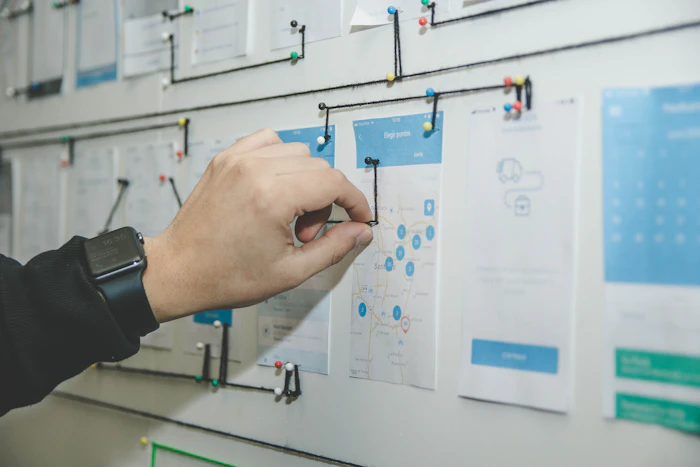
Not all side projects are created equal. A portfolio full of tutorial follow-alongs and to-do list apps won't move the needle. The projects that impress hiring managers share a few key characteristics.
Solve a Real Problem
The most compelling projects address genuine needs. Start by looking at your own life. What tasks do you repeat manually that could be automated? What tools do you wish existed? What frustrations do you have with existing products?
A project born from a real problem demonstrates product thinking—the ability to identify user needs and design solutions. This is exactly the mindset companies want to hire.
Align With Your Target Role
Be strategic. If you're targeting front-end development roles, build something with a beautiful, responsive interface. If you want to work in data science, create a project that collects, analyzes, and visualizes real data. Your portfolio should look like a preview of the work you'd do if hired.
Research job descriptions for your target roles. Note the technologies, methodologies, and skills they mention repeatedly. Then build projects that use those exact tools. When a hiring manager sees your portfolio and recognizes their own tech stack, you've just skipped past the "Can they do this?" question.
Show Range, Not Repetition
Three to five well-chosen projects beat twenty similar ones. Aim for variety that demonstrates different capabilities. Perhaps one project showcases your technical depth, another highlights your design sensibility, and a third shows your ability to work with data or APIs. Each project should tell a different story about what you bring to the table.
Finish What You Start
A portfolio of half-built projects sends a concerning message. Employers want to see that you can take something from idea to completion. It's better to have three polished, deployed projects than ten abandoned repositories. If a project isn't going to reach a presentable state, it's better left off your portfolio entirely.
Building Projects That Stand Out
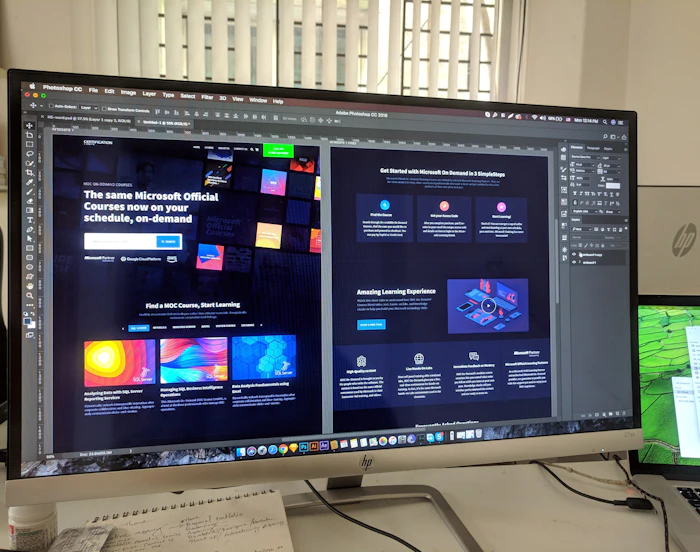
Once you've chosen what to build, how you build it matters just as much as what you build. Here's how to create projects that genuinely impress.
Treat It Like a Professional Product
The bar is higher than you think. Your side project should feel like a real product, not a homework assignment. That means clean design, intuitive navigation, proper error handling, and responsive layouts. It means a professional README in your repository, clear commit messages, and organized code.
Think about the hiring manager's experience. They'll spend maybe 30 seconds on your project. In those 30 seconds, does it look professional? Does it work? Does it communicate what you built and why? Those first impressions are everything.
Document Your Process
The finished product is only half the story. Hiring managers want to understand how you think, not just what you produce. Write a case study for your most impressive projects. Cover the problem you identified, the approach you considered, the decisions you made and why, the challenges you faced, and what you'd do differently next time.
This kind of reflective documentation demonstrates maturity and self-awareness—qualities that separate junior candidates from senior ones, regardless of actual experience level.
Use Real Data and Real Users
Whenever possible, populate your projects with real data rather than lorem ipsum and placeholder content. Even better, put your project in front of actual users. The ability to say "I tested this with 20 people and iterated based on their feedback" shows a level of professionalism that tutorials can't teach.
If your project can have real users—even a handful—the impact on your candidacy is enormous. Usage metrics, user feedback, and iteration stories are the kind of evidence that makes hiring managers lean forward in their chairs.
Freelance Work as Portfolio Fuel

Side projects don't have to be passion projects built in isolation. Freelance work—even small, low-paying gigs—creates portfolio pieces with a crucial advantage: they were built for real clients with real requirements.
Start Small and Strategic
You don't need to land a massive contract to benefit from freelancing. A local business that needs a simple website. A nonprofit that needs a flyer designed. A friend's startup that needs a landing page. These small projects build your portfolio while building your professional network.
The key is being selective. Choose freelance work that aligns with your career goals and produces portfolio-worthy results. A beautifully designed website for a local café is a stronger portfolio piece than a dozen quick template customizations.
Leverage Testimonials
One advantage freelance work has over personal projects: satisfied clients. A brief testimonial from someone you've worked with adds social proof that no personal project can match. "Dave redesigned our website and increased our online bookings by 40%" is the kind of evidence that turns interviews into offers.
Treat Every Client Like a Case Study
Document the before and after. Capture the client's initial problem, your proposed solution, the process you followed, and the results you achieved. These narratives become the backbone of your portfolio and provide rich material for interview conversations.
Open-Source Contributions: The Hidden Advantage

Contributing to open-source projects is one of the most underutilized portfolio strategies. It signals collaboration skills, code quality awareness, and community engagement—all qualities employers value highly.
You Don't Need to Be an Expert
Many people avoid open source because they feel they're not skilled enough. In reality, most projects desperately need help with documentation, bug fixes, testing, and small feature additions. Your first contribution doesn't need to be a groundbreaking feature. Fixing a typo in documentation, improving an error message, or writing a test for an untested function are all valuable and welcomed.
It Proves You Can Work With Others' Code
In professional settings, you'll rarely build something from scratch. Most of your work will involve understanding, extending, and improving existing codebases. Open-source contributions demonstrate exactly this skill. You had to read someone else's code, understand their architecture and conventions, and make a change that fit seamlessly into their system.
It Creates a Public Track Record
Every pull request, code review comment, and issue discussion is public and permanent. It creates a living record of how you communicate, how you handle feedback, and how you approach problem-solving. For hiring managers who take the time to look—and many do—this is an incredibly rich signal about what you'd be like as a teammate.
Presenting Your Portfolio Effectively

A great portfolio poorly presented is a missed opportunity. How you showcase your work matters almost as much as the work itself.
Lead With Your Best
Put your strongest project first. Many visitors won't scroll past the first one or two entries, so make those count. Your lead project should be your most polished, most impressive, and most relevant to the roles you're targeting.
Provide Context, Not Just Links
Don't just dump a list of links. For each project, include a brief description of what it does, the problem it solves, the technologies you used, and your specific role (especially important for group projects). A screenshot or demo video can communicate more in seconds than paragraphs of text.
Make It Easy to Explore
Your portfolio site itself is a project. It should be clean, fast, and easy to navigate. Avoid clutter, excessive animations, or anything that gets between the visitor and your work. The best portfolio sites feel effortless—they let the projects shine without competing for attention.
Keep It Current
A portfolio with projects from three years ago and nothing recent raises questions. Regularly update your portfolio with new work, even small pieces. Remove older projects that no longer represent your current skill level. Your portfolio should always reflect who you are as a professional today, not who you were two years ago.
Conclusion: Build What Gets You Noticed

In a world where hundreds of candidates apply for every open role, your portfolio is your unfair advantage. It's the thing that makes a hiring manager pause, click through, and think, "This person actually builds things."
You don't need a dozen projects. You don't need viral success or thousands of users. You need two or three well-chosen, well-built, well-presented pieces of work that demonstrate your skills, your thinking, and your initiative.
Start with one project. Choose a real problem. Build something you're proud of. Document your process. Ship it. Then do it again. Each project makes you a better builder, a better communicator, and a stronger candidate.
The best part? Unlike polishing your resume for the hundredth time, building side projects actually makes you better at your craft. You're not just performing competence—you're developing it. And that's something no amount of resume formatting can replicate.
Your next employer isn't just looking for someone who can do the job. They're looking for someone who already does the work, whether or not anyone's paying them to. Show them you're that person. Build your portfolio, and let it speak for itself.


